Research Chemicals
Order from us and experience high power new research chemicals for sale online from legit trusted supplier — NNRCHEM with overnight deliveries in USA, Canada and EU. Reliable vendor like us provide detailed synthesis methods and batch testing results.
Often abbreviated as RCs, research chemicals online is a broad term used in scientific, forensic, and regulatory contexts to describe novel or lesser-known chemical compounds that are synthesized and supplied primarily for laboratory research purposes rather than for approved medical, veterinary, or industrial applications.
These substances are provided exclusively as high-purity analytical reference standards, intermediates, or tools for academic, pharmaceutical, forensic, and toxicological research. They are not intended for human or animal consumption, diagnostic use, therapeutic use, or any form of in-vivo experimentation outside of strictly regulated research settings.
What are research chemicals?
Research chemicals encompass a wide range of synthetic organic compounds that have not (or not yet) been thoroughly characterized in terms of pharmacology, toxicology, metabolism, or long-term effects in humans. Many belong to structural classes that are analogs or derivatives of known psychoactive, stimulant, dissociative, opioid, or other biologically active molecules.
The term became widely used in the early 2000s–2010s when online vendors began offering novel psychoactive substances (NPS) labeled “not for human consumption” to supply researchers — and later recreational users — with compounds that were not yet scheduled under existing drug laws.
From a legitimate scientific perspective, research chemicals include:
- Novel analogs created to study structure–activity relationships (SAR)
- Tool compounds for receptor pharmacology and signal transduction research
- Reference standards needed for the identification and quantification of emerging drugs of abuse
- Synthetic intermediates used in medicinal chemistry lead optimization
- Metabolites and impurities of known drugs required for analytical method development
Major structural and pharmacological classes commonly encountered
Research chemicals are most frequently organized by their core chemical scaffold and/or primary pharmacological activity:
- Tryptamines (e.g., 4-HO/4-Ac series, 5-MeO series, DMT analogs)
- Phenethylamines (2C-x, DOx, NBOMe, ring-substituted amphetamines)
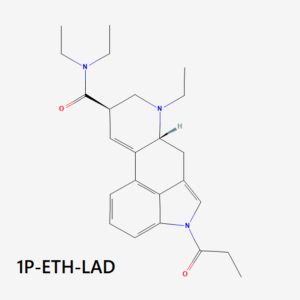
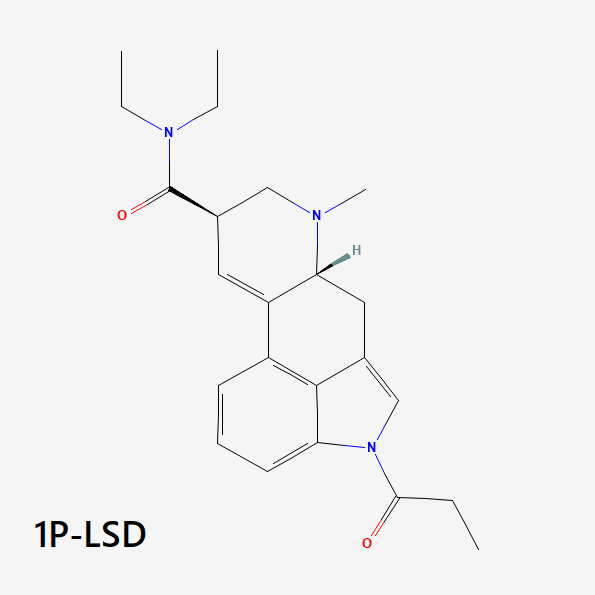
- Lysergamides (LSD analogs, 1-acyl-LSD derivatives)
- Synthetic cannabinoids (JWH, AM, AB, ADB, MDMB, 4en series)
- Cathinones (pyrrolidinophenones, methylenedioxy cathinones, 3/4-substituted)
- Arylcyclohexylamines (PCP/ketamine analogs, e.g., 3-MeO-PCP, MXE, 2-FDCK)
- Fentanyl analogs & other synthetic opioids (acryl-, furanyl-, cyclopropylfentanyl, nitazenes)
- Benzodiazepines & thienodiazepines (designer triazolo- and designer variants)
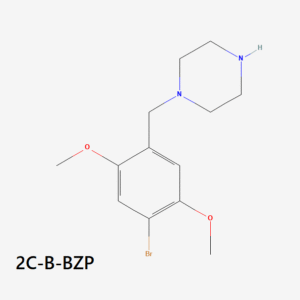
- Piperazines (BZP, mCPP, TFMPP analogs)
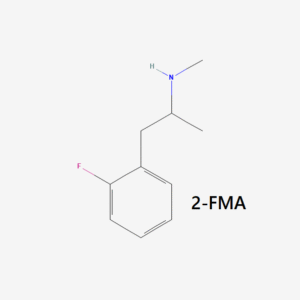
- Amphetamines (2-FMA, 3-FMA)
- Dissociatives (beyond arylcyclohexylamines: e.g., methoxphenidine, ephenidine)
- Other emerging scaffolds (e.g., benzofurans, indazoles, isotonitazene-like benzimidazoles)
Many compounds cross multiple categories or represent hybrid structures.
Legitimate scientific and analytical applications
High-purity research chemical reference standards serve critical roles in:
- Development and validation of broad-spectrum and targeted screening methods (LC-HRMS, GC-MS/MS, immunoassays)
- Identification and confirmation of novel substances in seized materials and biological specimens
- Toxicological analysis in clinical, post-mortem, and drug-facilitated crime cases
- Pharmacological characterization (receptor binding, functional assays, transporter studies)
- Metabolic profiling and synthesis of reference metabolites
- Structure elucidation of unknowns in complex mixtures
- Preparation of calibrators, controls, and proficiency testing materials
- Monitoring of new psychoactive substance (NPS) trends for early-warning systems
Regulatory status and important compliance notes
The legal status of research chemicals varies significantly by jurisdiction and changes rapidly:
- Many classic research chemicals are now explicitly scheduled (Schedule I/II in the US, Class A/B in the UK, Schedule I–III in Canada, etc.)
- Numerous countries apply analog acts or generic definitions that cover close structural relatives of scheduled substances
- Some jurisdictions maintain temporary/emergency scheduling lists for newly identified NPS
- Even unscheduled compounds may be subject to precursor chemical controls, import/export restrictions, or psychoactive substances legislation
All products in this category are supplied strictly for research, forensic, toxicological, and analytical purposes. They are not intended for human or veterinary consumption, recreational use, diagnostic purposes, or therapeutic application. Purchasers must possess all required licenses, permits, DEA registrations (or equivalent), and institutional approvals mandated by national and international controlled substances and chemical regulations.
Institutions and individuals working with these materials are responsible for ensuring full compliance with local, national, and international laws.
Quality standards for research chemical reference materials
Reputable suppliers of analytical-grade research chemicals provide:
- Purity typically ≥98–99.9% (HPLC, qNMR, GC-FID)
- Full certificate of analysis (CoA) with identity confirmation (NMR, HRMS, IR, UV-Vis)
- Batch-specific documentation and traceability
- Isotopically labeled internal standards when available
- Positional, regioisomeric, and stereochemical purity data when relevant
- Recommended storage conditions (most often −20°C or −80°C, light- and moisture-protected)
- Stability data for parent compounds and common degradants
Research chemicals represent a dynamic and structurally diverse group of synthetic compounds that play an essential role in modern analytical chemistry, pharmacology, and forensic science. Certified reference standards enable laboratories to detect, identify, quantify, and understand emerging substances, thereby supporting public health surveillance, toxicology, drug policy, and scientific discovery.
All materials are provided exclusively for legitimate research and analytical purposes and must be handled in strict accordance with applicable national and international regulations concerning controlled substances, new psychoactive substances, and chemical safety.
Browse individual product categories or search by structural class for detailed specifications, certificates of analysis, safety data sheets, and current availability of each reference standard.
Showing 1–15 of 50 results
-
Lysergamides
1P-ETH-LAD
-
Lysergamides
1P-LSD
-
Amphetamines
2-FMA
-
Phenethylamines
2C-B-BZP
-
Phenethylamines
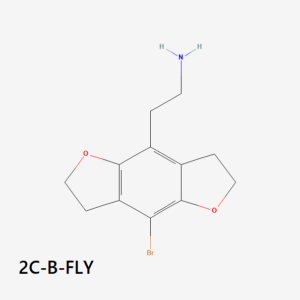
2C-B-FLY
-
Amphetamines
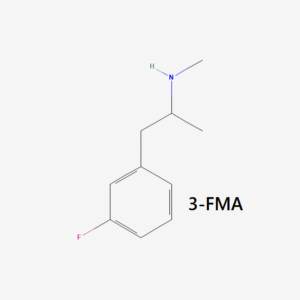
3-FMA
-
Arylcyclohexylamines
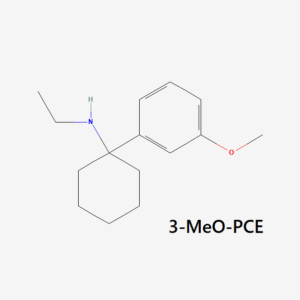
3-MeO-PCE
-
Arylcyclohexylamines
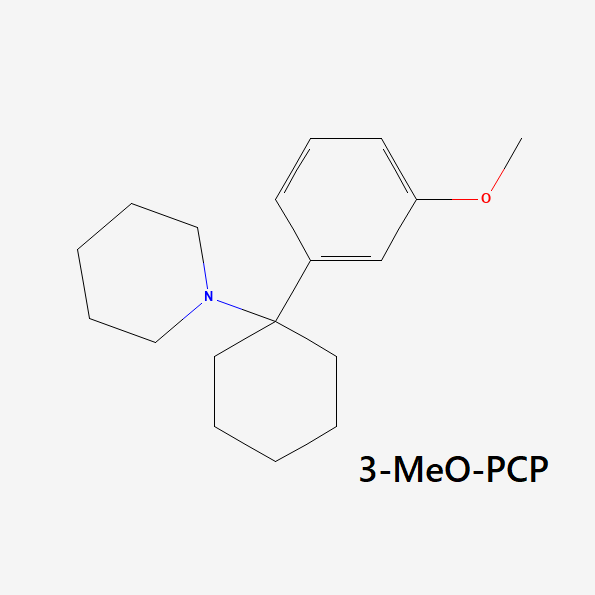
3-MeO-PCP
-
Tryptamines
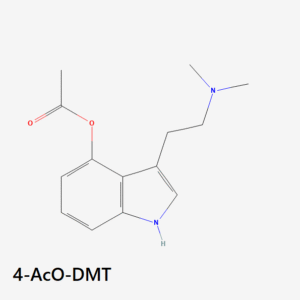
4-AcO-DMT
-
Tryptamines
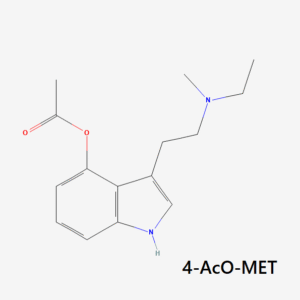
4-AcO-MET
-
Opioids
4-FIBF
-
Tryptamines
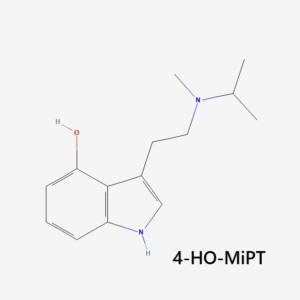
4-HO-MiPT
-
Cathinones
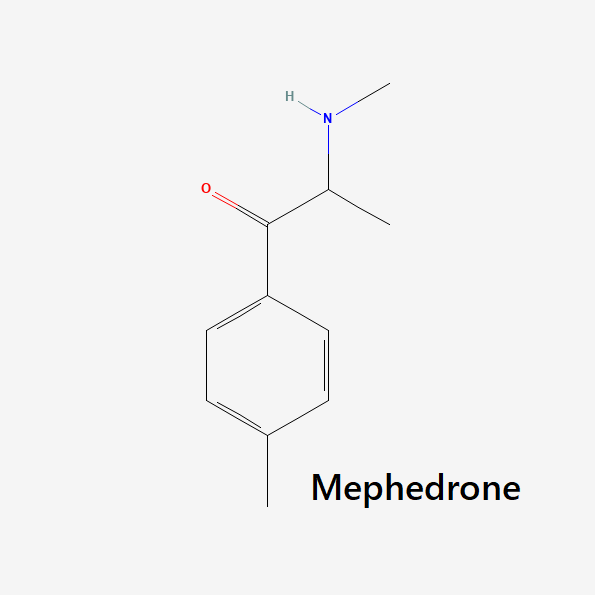
4-MMC
-
Tryptamines
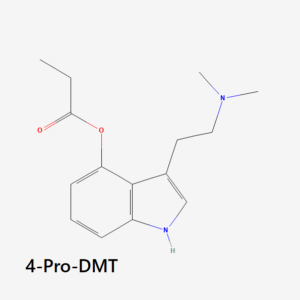
4-PrO-DMT
-
Tryptamines
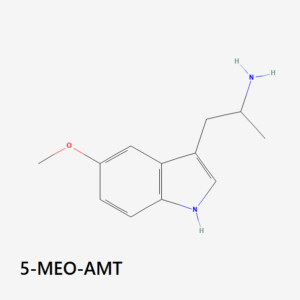
5-MeO-AMT